
Industrial Barcode & Thermal Printer Repair Services
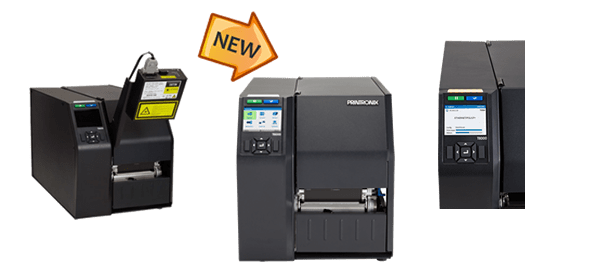
Production delays often start with a printer that begins slipping just enough to create hesitation, weak labels or recurring interruptions. That’s exactly why industrial barcode and thermal printer repair services matter before the workflow is already paying the price. Here are some of the reasons you should turn to Printer Connection, Inc. for unmatched industrial barcode and thermal printer repair services as soon as possible.
Small Printer Issues Spread Fast
A barcode printer doesn’t need to stop completely to cause a problem. If labels don’t scan right, if print quality drifts or if the media starts feeding inconsistently, the operation slows in small but repeated ways. Professional industrial barcode and thermal printer repair services help catch and correct those problems before they grow into something more disruptive.
Professional Repair Solves More Than the Obvious Symptom
A quick fix isn’t always a real fix. A printer that runs again for a day and fails again next week hasn’t helped much. Good industrial barcode and thermal printer repair services focus on the actual cause of the problem, not just the most visible symptom.
That kind of repair is what helps prevent repeat disruptions. It restores confidence in the printer instead of creating a cycle where the team keeps waiting for the next issue to surface.
Faster Recovery Helps Protect the Whole Workflow
When a printer supports production labels, inventory movement, shipping, or traceability, downtime becomes expensive very quickly. Industrial barcode and thermal printer repair services help businesses recover faster, but they also help keep that recovery meaningful by restoring output in a way the workflow can actually trust again. That’s especially important in operations where printers aren’t optional support tools. They are part of how the work gets done.
Industrial barcode and thermal printer repair services help businesses reduce the risk of recurring delay and protect the larger workflow around the printer. That’s why they’re worth treating as part of production stability, not just emergency response. When timing matters, the professionals with Printer Connection, Inc. will be ready. You can contact us online or call 817-430-6202 to schedule an appointment.
Related Printer Connection Resources
For broader equipment options, review Barcode thermal label printers from Printer Connection, Inc. to compare related printer categories and solutions.
Teams evaluating this topic may also benefit from Printer maintenance programs when planning support, supplies or workflow improvements.
If your operation needs a connected service path, explore Printers for related help from the same team.
To discuss fit, pricing or next steps, use Professional services and connect with Printer Connection, Inc. directly.
Authoritative External Resources
– GS1 identification standards
– NIST manufacturing resources
Frequently Asked Questions
How often should businesses schedule industrial barcode & thermal printer repair services?
The right schedule depends on print volume, environment and failure risk. High-use production or warehouse printers often need proactive inspection and cleaning to prevent avoidable downtime.
What are signs an industrial printer needs service?
Faded print, poor barcode scans, label drift, repeated jams and inconsistent output are common signs that service or parts replacement may be needed.
Can maintenance help reduce printer downtime?
Yes. Preventive maintenance helps catch wear, media issues and calibration problems before they interrupt shipping, labeling or production workflows.
Does Printer Connection support multiple printer brands?
Printer Connection, Inc. works with leading industrial printer brands and can help match service, parts and support to the equipment in your environment.
Ready to Improve Your Printing Workflow?
Printer Connection, Inc. can help you choose, support and maintain the right industrial printing solution for your operation. Contact Printer Connection or call 866-430-6202 to discuss your equipment, supplies, service or workflow needs.